
An ace is the show stealer that sparks life inside the volleyball arena. It’s the pitch-perfect serve that leaves the opposition awe-struck and makes the crowd erupt. It’s the dream of every server to unleash a thunderous serve inside the opposition court and bamboozle the rivals.
A serve in volleyball that goes inbounds on the other team’s side without being touched or handled wrong is called an ace. And it leads to a point right away.
Aces do more than just add points. They rattle defences, boost confidence, and could inspire unstoppable serving streaks. A well-placed ace can demoralize the most in-form oppositions. We will provide some tips and tricks about this game-changer in today’s article.
What is an Ace in Volleyball?
During volleyball games, the receiving team often fails to return the ball. That is known as an ace and it results in an instant point to the serving team.
There are different ways to get an ace. The ball sometimes lands inside the court without being touched. Sometimes, a player tries to catch it but shanks it, which sends it out of play. It also counts as an ace if the serve leads to an illegal receiving, such as a lift or double contact.
Simply put, an ace is the ultimate serving weapon in the game!
What Counts as an Ace in Volleyball?
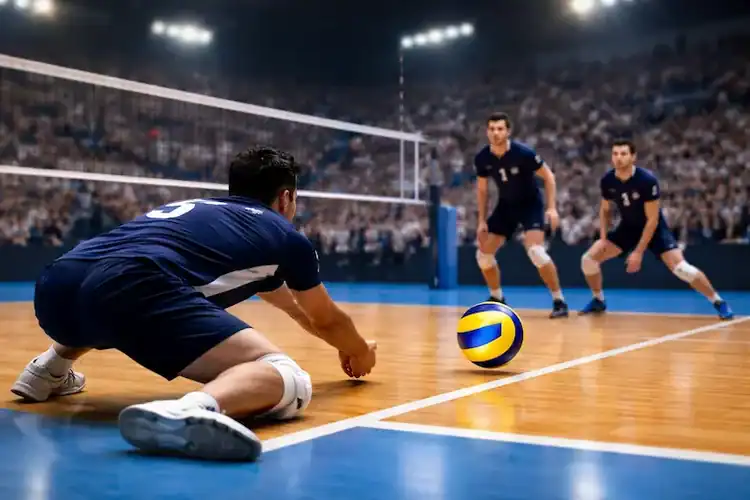
There are two most common types of aces: A no-touch ace and a regular ace. Let me break them down in more detail for you.
No-Touch Ace

If it wasn’t obvious from the name, a No-Touch Ace is when the opponent fails to touch the ball as it lands inside the court. This happens as a result of a perfectly placed serve in a hard-to-reach spot that penetrates the opposition defense.
In professional games, a No-Touch Ace is rare, which makes it all the more exciting if it does happen.
Regular Ace

The regular ace can also be of various types, such as:
- Failed Reception: A player tries to receive the serve but cannot keep it in play. It may go out of bounds or straight into the net.
- Mishandled Pass: The receiving team makes an error, like an overpass that’s attacked or a shanked ball.
- Rule Violation: The opponent commits a fault, such as a double contact or lift, while attempting to pass the serve.
Why Are Aces Important in Volleyball?
When a player delivers an ace, it provides a psychological boost to the serving team. It helps boost their confidence and energy. This surge often translates into improved performance across subsequent plays.
By securing immediate points, they can disrupt the opponent’s rhythm and establish control over the match’s flow. This advantage is crucial in high-stakes games where momentum can determine the outcome.
Throughout volleyball history, aces have turned the tide in many critical matches. For instance, during the 2014 World League Finals, Italy’s Ivan Zaytsev delivered four consecutive aces. This orchestrated a monumental comeback against Brazil. It showcased the profound impact aces can have on a game’s trajectory.
Best Types of Serves for Scoring an Ace
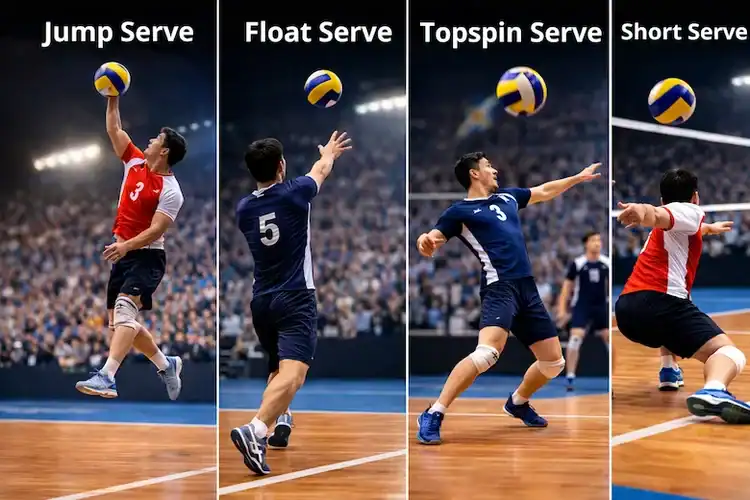
Not every serve is the same; some are made for power, while others depend on lying. These serves will help you get an ace:
Jump Serve
This high-speed serve generates explosive power, making it difficult to track. Moreover, its downward angle forces defenders into quick reactions and leads to increased errors.
Float Serve
Unlike other serves, this one moves unpredictably in the air. The lack of spin makes it wobble, causing hesitation and misreads from passers.
Topspin Serve
This serve is fast and dips suddenly, which makes it tricky to pass. When aimed at weak receivers, it often results in an ace or a poor pass.
Short Serve
By targeting the front of the court, this serve forces defenders to rush forward. This movement can create gaps, making it harder for the team to set up an effective attack.
To maximize these serves, players should position themselves strategically. Start with understanding all the volleyball base position and use it to your advantage to gain an edge on the opposition.
Tips for Serving More Aces
Servers would have smashed aces every time if they could, but that’s not possible. That said, there are some techniques you can follow to increase your rate of hitting aces. Make sure to try the following maneuvers:

- Master Different Serve Techniques: Developing a powerful jump serve or a deceptive float serve increases your chances of scoring aces. Learning how to improve your overhand serves can help in this case.
- Target Weak Passers: Observe the opposing team’s reception struggles and aim your serves at their weakest passer to force errors.
- Vary Serve Placement: Mixing deep, short, and cross-court serves keeps defenders guessing and disrupts their rhythm. A well-placed serve is harder to return.
- Improve Consistency and Accuracy: Practicing controlled serving drills helps reduce errors while increasing precision. Setters can also refine their placement with effective setter drills.
How to Avoid Getting Aced?
Aces can be frustrating when you are on the receiving end. However, with the right strategies, teams can minimize their chances of getting caught off guard. Here’s how:

- Improve Communication in Serve Reception: Calling the ball early helps avoid hesitation and confusion. Moreover, players should trust their libero and passers to make quick, decisive movements.
- Strengthen Defensive Formations: A solid serve-receive lineup is key to handling tough serves. By adjusting player positioning based on the server’s tendencies, teams can reduce weak spots in their formation.
- Practice Against Tough Serves: Training against powerful jump serves and deceptive float serves builds confidence. Moreover, focusing on reaction drills helps players stay composed under pressure.
- Analyze Opponent Serving Patterns: Studying servers’ habits can reveal tendencies in placement and spin. Anticipating where the ball will land gives passers a crucial advantage.
Additionally, liberos play a vital role in serving reception. Check out my advanced libero techniques to improve your defensive skills.
Frequently Asked Questions
Does a touched ball still count as an ace in volleyball?
Yes, it can. If the receiving team touches the serve but fails to control it or send it back in play, the serve can still be recorded as an ace.
What is the difference between a no-touch ace and a regular ace?
A no-touch ace happens when the serve lands in without any contact from the receiving team. A regular ace happens when the receiving team gets a touch on the ball but still cannot make a successful return.
Can a float serve result in an ace?
Yes. A float serve can definitely produce an ace. Since it moves unpredictably in the air, it can confuse passers and force bad reactions.
Can a jump serve also become an ace?
Yes. Jump serves are one of the most common ways to score aces because they combine speed, power, and aggressive ball movement.
Do aces count the same in beach volleyball?
Yes. In beach volleyball, an ace is counted the same way. If a serve leads directly to a point because the other team cannot return it, it is an ace.
Who usually scores the most aces in volleyball?
Players with strong serves usually score the most aces. Outside hitters, opposite hitters, and skilled servers with accurate jump or float serves often lead their teams in aces.
Is every strong serve an ace?
No. A serve is only an ace if it directly results in a point without a successful return by the other team. A strong serve can still pressure the receiver without being counted as an ace.
Final Thoughts
Aces are power moves that shake up the game. It can boost confidence, rattle opponents, and turn the tide in seconds. That is why it is a weapon every volleyball player should master.
At the same time, great teams know how to shut down dangerous servers with sharp reflexes and smart positioning. So whether you’re the one serving or receiving, make it count!
